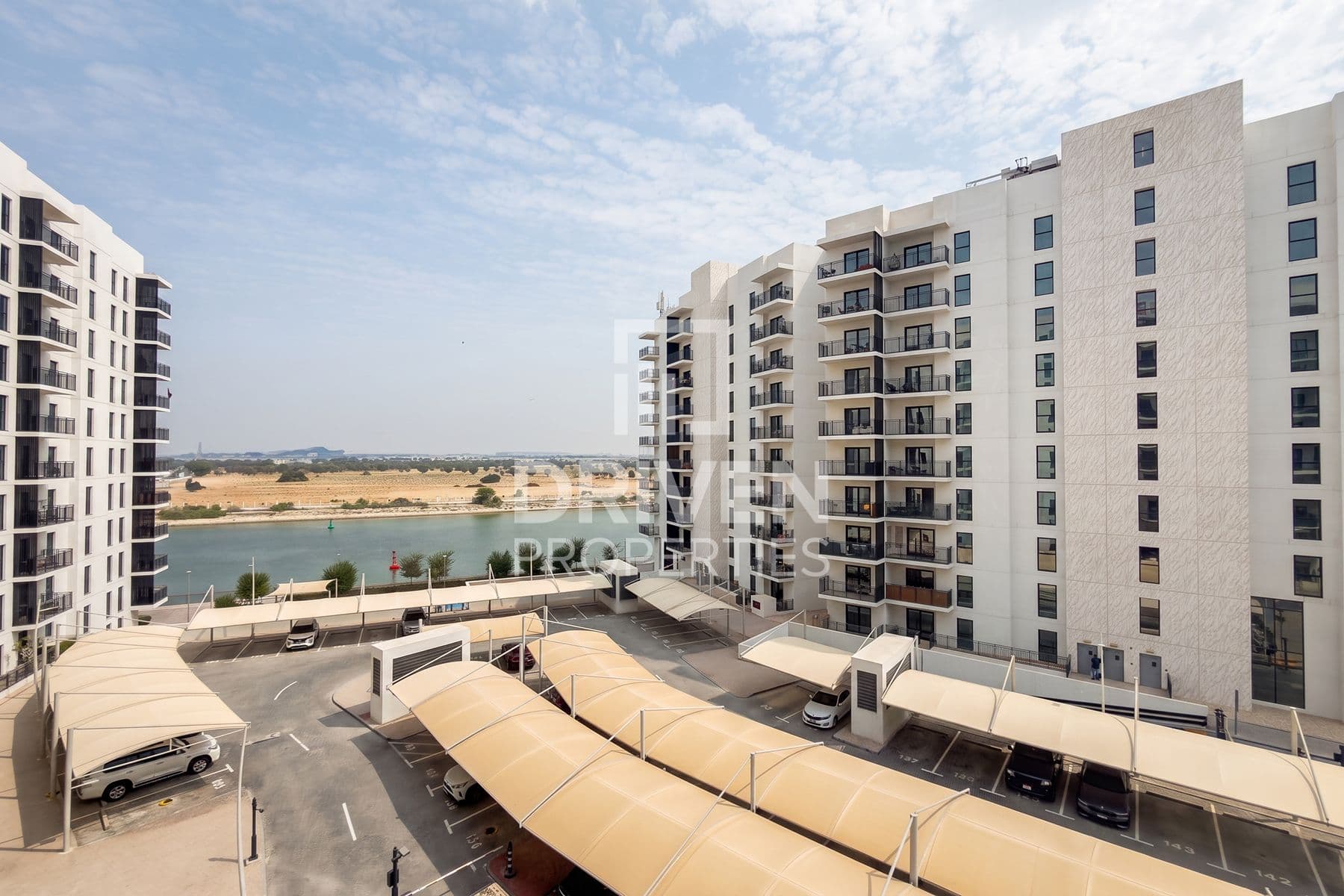
Buying a home should feel like a decision you control. Yet many buyers reach the same stuck point. Prices look wide. Listings look similar. Agents speak fast. And the real risk is not the “wrong city.” The risk is buying the wrong building, with the wrong cost profile, on the wrong resale path. If you plan to buy in 2026, you need a clear method. You need to know what to check, what to ignore, and what will move value later.
This guide is written for buyers who want a practical route. It covers why Abu Dhabi keeps pulling serious end users and investors, what apartment types to expect, where prime demand stays consistent, and how to screen pricing without guesswork.
Why Buy an Apartment in Abu Dhabi?
Most buyers compare Abu Dhabi and Dubai early. That is fair. However, the buying logic in Abu Dhabi often feels more structured. Master-planned districts drive the market. Building quality sits higher in many prime zones. Community management stays strong in the top clusters. As a result, buyers who want predictable living standards or stable tenant demand keep Abu Dhabi on the shortlist.
Here is what usually makes the case in 2026.
1. More controlled community planning
Large districts follow a planned layout. That means better road access, defined retail pockets, and clearer community rules. Because of that, the buyer experience feels less random across towers.
2. Prime areas with strong end-user demand
Some locations draw residents first, not only investors. End-user demand supports resale. It also supports rent quality, because tenants pay for stability.
3. Clear lifestyle choices
You can choose beach access, CBD access, school routing, or highway access. Next, you match that choice to building type and service charges.
4. A practical market for long-hold investors
Investors who prefer less churn often like Abu Dhabi. They run a “hold and lease” model. They track net yield, not hype.
To make the decision solid, use one technique early: the Exit Liquidity Check. Ask one question. “If I need to resell in 18 months, who buys this unit and why?” If you cannot name that buyer, the deal is weak.
Types of Apartments for Sale in Abu Dhabi
A buyer should not start with price. Start with type. Type decides demand, cost, and resale pool. In Abu Dhabi, apartment stock in prime zones tends to fall into these groups.
1. Studio units
Studios work best for entry-level investors and city-first tenants. Many studios lease fast. Yet some buildings oversupply them, so you must review the tower mix.
Use this quick screen:
- Check studio count in the tower
- Check parking allocation rules
- Check if the layout has a real kitchen zone, not a corner counter
2. One-bedroom apartments
One-bedroom units often show the widest tenant pool. They suit young couples, new hires, and short-term relocations. In many prime clusters, this unit type stays liquid.
Also, one-bedroom units help with a clean pricing method: the Comparable Stack Method. Compare the same line, same view band, and same floor range across recent listings in the same tower.
3. Two-bedroom apartments
Two-bedroom units target families and long-stay tenants. They also suit end users who want a home office. In 2026, two-bed demand stays linked to school routing and commute time.
Your key checks:
- Kitchen size and storage
- Maid room presence
- Balcony area and heat load on afternoon sun side
4. Three-bedroom and larger apartments
Larger units can look attractive, yet they need careful thinking. The buyer pool is smaller. Service charges can rise fast. Still, in the best locations, large units sell well if the tower is premium and layouts stay efficient.
Use a technique called the Service-Charge Stress Test:
- Estimate yearly service fees
- Add sinking fund risk (future major works)
- Add parking add-ons or chilled water cost, if separateIf costs feel heavy, resale gets harder.
5. Branded and serviced residences
These units carry a brand premium. They can support higher rent and resale, yet fees can be higher. You must review the management agreement and the service package.
6. Off-plan apartments
Off-plan stock grows in cycles. It fits buyers who want payment plans and newer finishes. However, off-plan buyers must watch handover risk and plan terms.
Off-plan technique to use: Handover Buffer Planning. Always plan a buffer. Assume handover shifts. Budget holding cost.
If you want to buy apartments for sale in Abu Dhabi with less surprise, match your unit type to your holding plan first. Then you shortlist towers.
Best Areas to Buy Apartments in Abu Dhabi
In Abu Dhabi, prime demand tends to cluster. That is helpful. It means you can focus on a small set of zones and still cover most “best fit” needs.
Below are the areas many buyers shortlist. The goal is not to name every district. The goal is to give you a practical map for decisions.
Al Reem Island
Al Reem stays popular for volume, tower choice, and city access. Many towers support investor demand, and many also suit end users.
What to check before you buy:
- Tower management record
- Service charges and lift downtime history
- Parking ratio for the unit
Al Raha Beach
Al Raha Beach often attracts buyers who want waterfront living with stable planning. Many units have strong family fit. Commute routes also work well for key work zones.
Good fit if you want:
- Waterfront feel
- Long-stay tenants
- A balanced lifestyle profile
Al Maryah Island
This area leans toward CBD access and premium positioning. Units can be compact, yet quality stays high. Many buyers value the location logic.
Buying note:
- View band changes pricing sharply
- Some stacks carry a strong premium with limited difference in size, so compare carefully
Yas Island
Yas pulls lifestyle buyers. It also attracts investors who target leisure-linked demand. However, you must check unit rules and the community profile.
Use the Tenant Profile Mapping method:
- Identify who rents here in your building
- Identify why they choose this district
- Match your furnishing and layout to that tenant profile
Saadiyat Island
Saadiyat leans luxury. It pulls buyers who want a premium environment and long-hold value. Entry pricing is higher, yet prime stock can defend pricing.
Checks that matter:
- Finish quality and defect history
- Beach access terms in the community
- Service charge level compared to similar towers
Masdar City
Masdar often fits budget-conscious buyers who still want planned living and newer concepts. It can work for investors, yet you must review rental depth and unit liquidity.
Key note:
- Some projects show strong leasing
- Some pockets can feel thin on resale, so do the Exit Liquidity Check
When buyers ask where to buy, they often want one simple answer. In reality, the right area depends on your holding plan, budget, and tolerance for fees. Still, if your goal is stable demand, focus on prime clusters first, then choose towers with consistent management.
Apartment Prices in Abu Dhabi (2026 Overview)
Pricing is not one number. It is a range shaped by location, tower grade, view band, and fee profile. In 2026, buyers should treat “asking price” as a starting point, not proof of value.
Use a clean pricing system:
- Compare within the same building first
- Compare across two or three similar buildings next
- Adjust for view, floor, parking, and condition
- Apply cost checks (service fees, mortgage cost, fit-out cost)
Below is a screening table you can use during shortlisting. It is not a promise. It is a sorting tool that keeps you from wasting time.
Prime area | Typical buyer goal | Common unit size band | 2026 screening price band (AED) | Main price drivers |
|---|---|---|---|---|
Al Reem Island | Investor + end user mix | 450–1,400 sq ft | 750,000 – 25,999,999 (listing range) | Avg asking ~2,140,000 | Tower grade, view band, fees |
Al Raha Beach | Waterfront living | 700–2,000 sq ft | 1,000,000 – 12,000,000 (listing range) | Avg asking ~3,110,000 | Waterfront position, layouts, parking |
Al Maryah Island | CBD access, premium towers | 500–1,800 sq ft | 699,000 – 25,000,000 (listing range) | Avg asking ~2,360,000 | Building positioning, stack scarcity |
Yas Island | Lifestyle, newer phases | 450–1,700 sq ft | 849,999 – 11,000,000 (listing range) | Avg asking ~2,770,000 | Community phase, finish quality, demand cycles |
Saadiyat Island | Luxury long-hold | 700–3,000+ sq ft | 949,000 – 88,000,000 (listing range) | Avg selling ~5,880,000 | Beach access, finish spec, scarcity |
Masdar City | Budget + planned living | 450–1,400 sq ft | 629,990 – 3,000,000 (listing range) | Prices start ~630,000; avg ~1,230,000 | Project delivery, leasing depth, fees |
Supporting note: use this table to decide where to spend your viewing time. Next, once you pick two areas, narrow it down to five buildings. Then compare units within the same stack. That is how buyers avoid confusion.
One more technique helps a lot: the Net Yield Filter.
- Take annual rent expectation
- Subtract service charges
- Subtract maintenance reserve
- Then compare the net figure against mortgage costThis keeps you away from deals that look good only on gross yield.
Buying an Apartment in Abu Dhabi for Living vs Investment
Many buyers say they want “both.” A home that also invests well. That can happen, yet you must decide which goal leads. Living-led choices and investment-led choices diverge in a few key ways.
If you buy for living
You should prioritize comfort, building operations, and day-to-day friction.
Focus on:
- Lift speed and reliability
- Parking access and visitor parking rules
- Noise exposure (road, podium retail)
- Natural light and heat load by view direction
- Unit storage and kitchen function
Also, run the Five-Minute Daily Test. Ask: “What do I do daily, and how hard will it be from this building?” Grocery, school, gym, commute. Simple, yet it prevents regret.
If you buy for investment
You should prioritise lease velocity, tenant profile, and exit pool.
Focus on:
- Layout liquidity (easy-to-lease floor plan)
- Fees compared to rent band
- Tenant demand drivers in that district
- Future competing supply nearby
Practical investor checks:
- Rent Reset Check: can rent rise at renewal, or does the band feel capped
- Vacancy Buffer: hold cash for 2–3 months of vacancy
- Finish Plan: furnish level that matches tenant, not your taste
A lot of investors also use the Three-Comparable Rule:
- Never buy unless you can find three comparable units
- Compare rent and sale price
- Confirm you are not buying above the tower’s realistic band
If you want apartments for sale in Abu Dhabi as a long hold, your best friend is boring math. Fees, rent, vacancy, and resale pool. That is the core.
Abu Dhabi Apartment Market Outlook 2026
Forecasts are easy to sell and hard to trust. Instead, look at drivers you can check. In 2026, the market direction will lean on supply timing, end-user demand, and financing conditions. Premium locations can stay resilient, yet each building will behave differently.
What may support the market:
- Continued demand for prime districts with stable management
- Preference for newer stock and better layouts
- End users choosing long-term living plans in planned communities
What can pressure pricing in some pockets:
- New supply that competes with older towers
- High service charges that push net yield down
- Towers with weaker maintenance records
So, how should a buyer act in 2026?
Use this approach:
- Start with two areas only. Do not chase ten.
- Select five buildings. Learn their fee profile.
- Compare only same-stack units at first.
- Ask for service charge history and building notices.
- Keep your offer linked to comparable deals, not asking prices.
Also, use one final technique, the quality-to-fee ratio. If fees climb, quality must match. If quality does not match, resale takes time and discount.
In short, prime areas remain prime for a reason. Yet building selection will decide the outcome more than the city headline.
Final Thoughts
If you want a smart buy in 2026, keep it simple. Pick the area based on your daily life or tenant profile. Then pick the building based on management and fees. Then pick the unit based on layout liquidity and resale pool. Do that, and your buying choice feels clean, not rushed.
If you want support with shortlisting, negotiations, and tower due diligence, we at Driven Properties can guide the process end to end and help you secure the right apartments for sale in Abu Dhabi.
Frequently Asked Questions:
1. Can foreigners buy apartments in Abu Dhabi?
Yes, in designated investment zones. Use title deed checks, zone rules, and a due diligence file. Ask for Oqood or title documents.
2. Are apartments in Abu Dhabi a good investment in 2026?
They can be if you run the Net Yield Filter, Service-Charge Stress Test, and Exit Liquidity Check. Skip towers with high fees and thin resale demand.
3. What are the best areas to buy apartments in Abu Dhabi?
Al Reem, Al Raha Beach, Al Maryah, Yas, Saadiyat, and Masdar often rank high. Choose by tenant profile, fees, and commute pattern.
4. Do apartments in Abu Dhabi offer rental returns?
Yes, in many prime pockets. Returns depend on rent band, fees, vacancy, and furnishing plan. Use Rent Reset Check and Vacancy Buffer planning.
5. Is Abu Dhabi cheaper than Dubai for apartment buyers?
Often, yes, for similar sizes in many mid-prime bands. However, trophy zones can price above Dubai. Compare net cost after fees, not only sale price.
Purchase Off-Plan Projects in Dubai
If you’re looking for pre-construction or “ready” property, Driven Properties has access to the best developer projects in Dubai. Find great off plan projects below.


What Our Buyers Say
Don’t take our word for it. Here are some of the great things our clients have said about buying with Driven Properties.

Ena Skikić
“Just bought a property through Driven Forbes and had a great experience throughout. The agent who showed the property and handled the sale was Muhammad Faheem Arshad, and he was very professional, efficient, and communicative - he took time to make sure we were comfortable and understood every step of the process.”
Izabella L
“One of the best real estate companies in Dubai! If you are looking for your future property I highly recommend them!”
Jason Kroll
“This was my first property purchase in the Middle East and Shaik Suleman from Driven Properties was exceptional. He was proactive and responsive at all times throughout the entire process. I would highly recommend Shaik to anyone considering a purchase in Dubai.”
Daniel Kofdrali
“Great service and trustworthy. Big thanks to Yannick Amarsy for going over and beyond his duty to make sure I choose the best apartment that suits my needs. Highly recommended!”
Yousef Abo El Nour
“Working with Soni to find an apartment was an absolute pleasure. She is helpful, attentive, has an eye for detail, and knows the market very well!
Daniel Takieddine
“Had a smooth and great experience with Driven Forbes through their real estate agent Atef Sheraze. He did not waste any time finding a home with our exact specifications. He's prompt, informative, and precise.”
Our Developers
At Driven Properties, we are trusted by the biggest names in Dubai real estate development. Take a look at some of the developers we work with most closely