Abu Dhabi Vs Dubai Real Estate (2026): Which City Is Better For Investment?

Written by
Driven | Forbes Global Properties
Updated: Sep 22, 2026, 10:56 AM

Driven | Forbes Global Properties
There are good real estate markets in both Abu Dhabi and Dubai, but not every buyer gets the same deal. If you want to rent out property quickly, Dubai might be a better choice. Abu Dhabi may be a better place for someone who wants steady growth and a more stable life.
Dubai has more buyers from all over the world, more activity off-plan, and more demand from tourists, expats, and people who rent for a short time. Abu Dhabi moves in a more organized way. Long-term planning, government support for development, and communities that put families first all help its real estate market.
It's not which city is better that's the better question. The best city for you depends on how much money you have, how much risk you're willing to take, and what your investment plan is.
Dubai is a better place for buyers who want higher rental returns and a busier resale market. Abu Dhabi is better for people who want stable returns, less stress, and to own something for a long time.
Dubai gives more movement. Abu Dhabi gives more stability. The right option depends on how the buyer wants the property to perform over the next few years.
Dubai and Abu Dhabi may look close on paper, but the property decision feels different in each city. Dubai has more liquidity, more international demand, and a wider choice of new projects. Abu Dhabi has slower price movement, stronger end-user demand, and a more family-led property base.
Factor | Dubai | Abu Dhabi |
ROI | 6–8% average | 5–7% average |
Market Type | High-growth market | Stable market |
Liquidity | High | Moderate |
Rental Demand | Strong, tourism-driven | Stable, long-term tenants |
Cost Of Living | Higher | Lower |
Buyer Profile | Investors, expats, short-term rental buyers | Families, end-users, long-term buyers |
Investment Style | Faster resale and rental movement | Long-term holding and steady growth |
Dubai is usually the stronger market for investors who want quicker movement. Abu Dhabi is often a better match for buyers who want planned growth, lower risk, and a property they can hold with more confidence.
Looking To Invest In Dubai Or Abu Dhabi?
Get property options selected around your budget, preferred location, and investment plan.

Dubai and Abu Dhabi are economic powerhouses, but each with a unique focus.
Dubai thrives on diversification, with sectors like tourism, technology, real estate, trade, and finance forming the backbone of its economy. The city has also benefited from major global events like Expo 2020 and its growing status as a remote-work hub and digital economy center.
Abu Dhabi, on the other hand, is the capital of the UAE and home to the country’s vast oil reserves. However, the emirate has made significant strides in diversifying its economy under Abu Dhabi Vision 2030, with heavy investments in renewable energy, culture, healthcare, and education. This long-term approach has added stability to its real estate sector.
Impact on real estate:
Dubai’s rapid economic cycles can lead to quicker appreciation and stronger rental yields, but also more market volatility.
Abu Dhabi offers a more stable and gradual growth, often appealing to long-term investors and end-users.
Related: Dubai Real Estate Trends 2026
Dubai remains a global hotspot for property investment, while apartments for rent in Business Bay Dubai continue to attract professionals who want central access and modern tower living.
Abu Dhabi’s market is growing steadily with increasing interest from GCC nationals, expatriates, and institutional investors.

Dubai tends to have a higher cost of living compared to Abu Dhabi, especially when it comes to rent, schooling, dining out, and entertainment.
Dubai offers a wide range of luxury lifestyle options and premium services, which can push up monthly expenses. However, shared accommodations, budget-friendly areas, and cost-conscious neighborhoods like JVC and Al Nahda help residents manage costs when they plan to rent an apartment in Al Nahda.
Abu Dhabi is generally more affordable, especially in terms of housing and schooling. Daily costs for transport, groceries, and utilities are also lower.
Dubai consistently ranks among the top 5 global cities for real estate ROI. This is thanks to multiple factors including:
Luxury properties and short-term rentals perform strongly in Palm Jumeirah and Downtown, while Dubai Marina apartments for rent remain popular with tenants seeking waterfront living.
While Abu Dhabi’s yields are slightly lower (average: 5 or 6%), the market offers:
Abu Dhabi recently expanded freehold ownership zones to include more areas for expatriates, making it increasingly attractive to foreign investors.
If you're seeking high, short-term returns and a liquid market, Dubai is your go-to.For stable, long-term capital growth and lower entry costs, Abu Dhabi offers compelling opportunities.

Dubai is synonymous with glamour, innovation, and global connectivity. It offers:
Dubai is ideal for young professionals, digital entrepreneurs, and high-net-worth individuals.
Abu Dhabi offers a more serene and culturally rich lifestyle, with:
Abu Dhabi appeals to families, professionals in government or energy sectors, and those looking for a quieter pace.
While Abu Dhabi and Dubai might cater to different tastes, they both boast world-class amenities that make living there a truly comfortable experience. Both cities can offer you:
Dubai usually needs a higher starting budget, mainly in prime areas. Strong overseas demand, branded projects, waterfront locations, and short-term rental activity keep prices firm in many communities. Abu Dhabi can offer better space for the same budget in several locations, which makes it attractive for long-term buyers.
Cost Type | Dubai | Abu Dhabi |
Transfer Fee | Around 4% | Around 2% |
Average Price Per Sq. Ft. | Higher | Lower |
Entry Price | Higher in prime locations | More affordable in many areas |
Rental Yield | Higher in investor-led areas | Stable in family communities |
Resale Activity | More active | More selective |
Dubai is generally more expensive because demand is broader and more global. Abu Dhabi gives buyers a more measured entry point, especially when the goal is space, long-term use, and a quieter ownership plan.
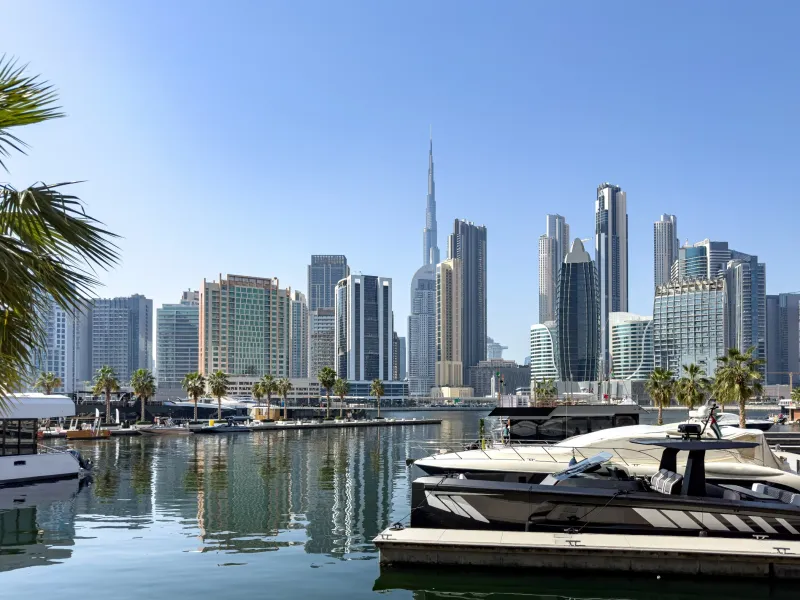
The better choice depends on what the buyer expects from the property. Some investors want monthly income. Some want capital growth. Others want a home that can also hold value over time. Dubai and Abu Dhabi answer these needs in different ways.
Dubai suits investors who want an active market. It also works well for buyers interested in tourism zones, business districts, waterfront homes, and areas with strong international demand.
Abu Dhabi suits buyers who do not want sharp market changes. It is a strong choice for families, end-users, and investors who prefer planned communities with schools, clinics, parks, and retail close by.
Some buyers do not choose only one city. They invest in both. Dubai can bring stronger rental income and better resale options. Abu Dhabi can add stability and long-term value. This type of mix can make a UAE property portfolio more balanced.
Dubai is likely to remain ahead in transaction volume, off-plan sales, branded residences, and luxury waterfront demand. The city continues to attract buyers who want rental income, resale flexibility, and exposure to a market with strong global interest.
Abu Dhabi is also getting more attention, but for a different reason. Buyers are looking at it as a stable property market with quality communities and a longer investment view. Areas such as Saadiyat Island, Yas Island, Al Reem Island, and Al Raha Beach continue to attract people who want good homes, more space, and long-term value.
Dubai remains the more recognized market among global investors. Abu Dhabi is becoming a stronger option for buyers who want lower risk, planned growth, and a more settled ownership experience.
Get Curated Investment Opportunities In Dubai And Abu Dhabi
Review property options based on your budget, rental target, and preferred holding period.
Talk To A Real Estate Expert
Dubai typically offers higher ROI, especially in areas with strong rental demand like Downtown and Marina. Abu Dhabi offers stable, long-term appreciation, and lower price volatility.
Yes, property prices in Abu Dhabi are generally lower, particularly in premium villa and apartment communities. However, Dubai offers a wider range of price points across different segments.
Yes. Both cities allow foreigners to purchase real estate in designated freehold areas. Dubai has a larger number of freehold zones, while Abu Dhabi continues to expand access for expats.
Abu Dhabi is often considered better for families due to its quieter pace, spacious communities, and lower cost of living. However, Dubai offers more schooling options and lifestyle variety.
Dubai tends to have a higher cost of living, especially in premium areas. Abu Dhabi is more affordable in terms of rent, schooling, and daily expenses.
Abu Dhabi vs Dubai real estate - choosing between these two cities ultimately depends on your investment goals, lifestyle preferences, and financial priorities.
Both cities are excellent places to live and invest, and many savvy buyers diversify by owning property in both emirates to balance risk and return.