
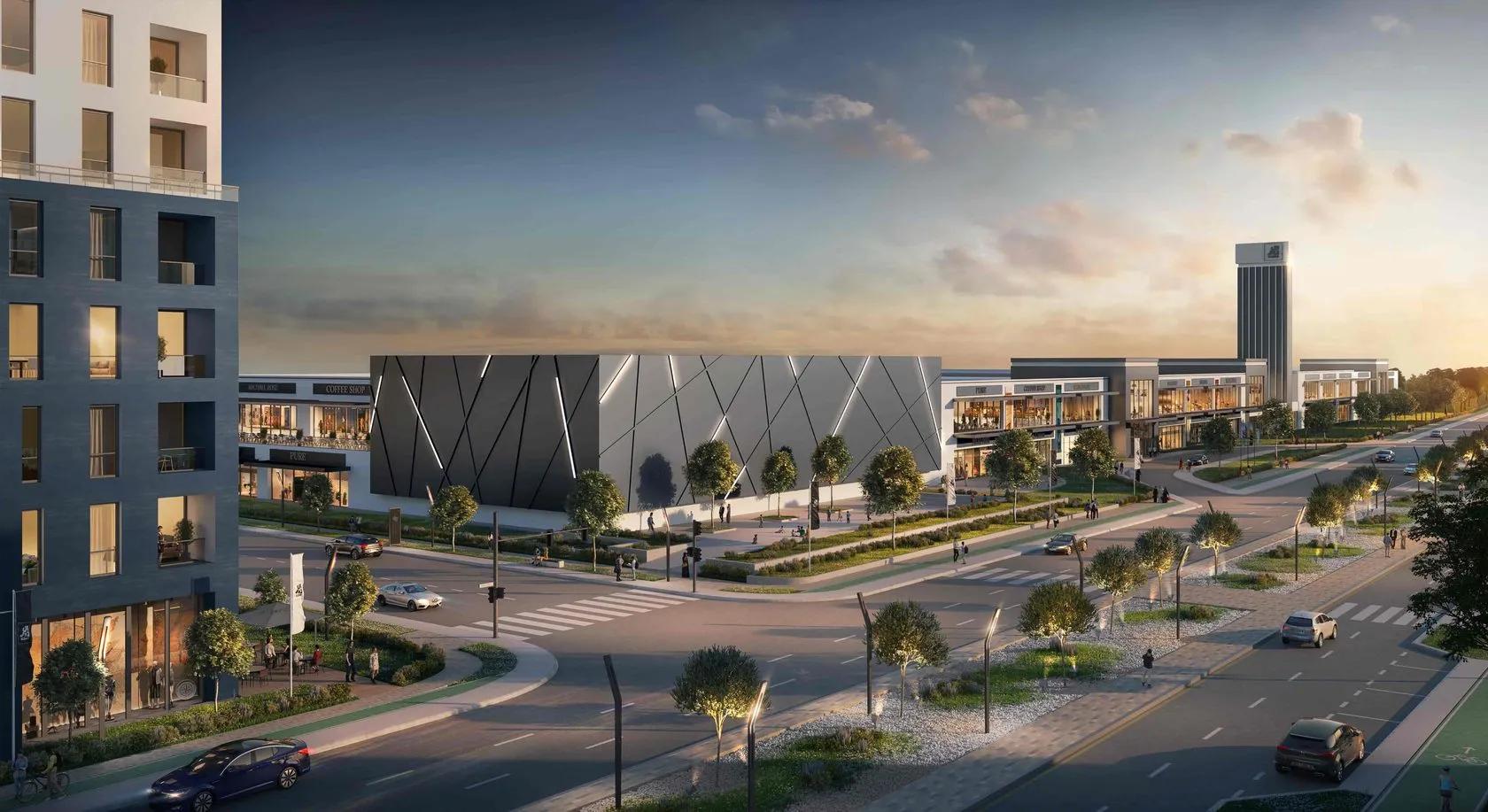
Al Shamkha is a fast-growing residential district on the northeastern outskirts of Abu Dhabi, close to Mussafah and Zayed International Airport. Much of it was redeveloped from 2016 onward under the emirate's long-term urban plan, so buildings are new and streets are wide. The area leans heavily toward villas, with large government-built plots for Emirati families alongside newer private developments. Apartments now fill the gaps through low-rise projects by Aldar. Housing runs cheaper than in central Abu Dhabi, which draws budget-minded families and investors. The trade-off is distance and unfinished patches, since several zones remain under construction and public transport remains limited. Once complete, the community is planned to house around 22,000 residents.
Al Shamkha lies on the northeastern edge of Abu Dhabi, bordered by Sheikh Mohammed Bin Zayed Road (E311) to the northeast and Sweihan Road to the north. That position gives drivers quick access to Mussafah, Baniyas, and the wider road network heading to Dubai and Al Ain.
Downtown Abu Dhabi is roughly a 30-minute drive, around 30 km out. Yas Island is about 22 minutes away, and Dubai can be reached in under an hour on a clear run.
Those figures should not replace a trial drive. Someone starting work at 8:00 am should test the route at 7:30 am, not on a quiet Saturday.
Al Shamkha is a developing mainland community with villas, schools, mosques, supermarkets, and local parks across its residential blocks. Daily life is quieter than central Abu Dhabi, and most families rely on a car for school runs, shopping, and medical visits. Makani Al Shamkha Mall and nearby community shops cover basic errands, while larger malls in surrounding areas handle weekend shopping. The area suits families looking for newer homes, wider roads, private parking, and lower rents than central districts.
Hotel supply inside Al Shamkha stays limited, so visitors usually book near the airport, Yas Island, or the city center.
For a bigger retail run, residents also drive to Dalma Mall, roughly 20 minutes out.
The parks are most usable from October to April. Through summer, outdoor activity shifts to early morning or after sunset.
A car is close to essential here. Public transport is thin, and reaching a proper bus network can mean a drive of 20 minutes or more toward Mussafah. Taxis and ride-hailing apps operate in the area, but most households rely on private vehicles for school, work, and shopping.
Parking is one of the area's strong points. Villas come with covered spaces for one or more cars, and apartment buildings provide a space per unit, with street parking available across the community. Public transport routes and tariffs are set through the Integrated Transport Centre under the Department of Municipalities and Transport.
Al Shamkha does not currently have an operating metro station.
Residents rely on private cars, taxis, and limited public buses. Any future rail proposal should be treated as a plan until construction and opening dates are formally confirmed.
Bus routes and timings change often. Regular commuters should check the latest schedule before choosing a home based on one route.
These are approximate road distances. The starting zone changes the numbers.
Schooling has grown alongside the district, with several campuses inside the community and universities a short drive away. School ratings and inspection reports are published by the Abu Dhabi Department of Education and Knowledge.
Parents should ask about waiting lists before moving. Some nurseries fill their places well before term starts.
Morning traffic changes the drive. A route that takes 12 minutes at midday can run longer during drop-off.
Residents find pharmacies and clinics across the community. For complex treatment, most people travel to Baniyas or Mussafah. Facility licensing and standards fall under the Department of Health – Abu Dhabi.
Al Shamkha is mainly a villa market, with apartments filling in through newer low-rise projects. Villas scale from two bedrooms up to eleven, often with large kitchens, maid's rooms, majlis areas, private gardens, and shaded parking. Apartments run from studios to four-bedroom units in buildings of two to three floors.
The listed size needs a careful check. A villa advertised on a plot area can feel smaller once room layouts are factored in. Service charges are another early question for buyers, since pools, gyms, security, and shared areas all add to the yearly bill. Ownership records and transactions in the emirate run through the Abu Dhabi Real Estate Centre.
Al Shamkha is still being built out. Empty plots remain between completed clusters, and new villas, apartments, schools, and commercial centers keep appearing as the district grows toward its planned capacity.
Nearby, Al Falah City is a master-planned project of five residential villages and a town center taking shape to the north, while Al Shawamekh adds more affordable villas and apartments to the southwest. Both should bring more services and stronger road links to the wider area.
Future development should add amenities and better connectivity. Buyers should still ask what is planned around a specific home, since an open view today can turn into a building site later.


