Al Qusais
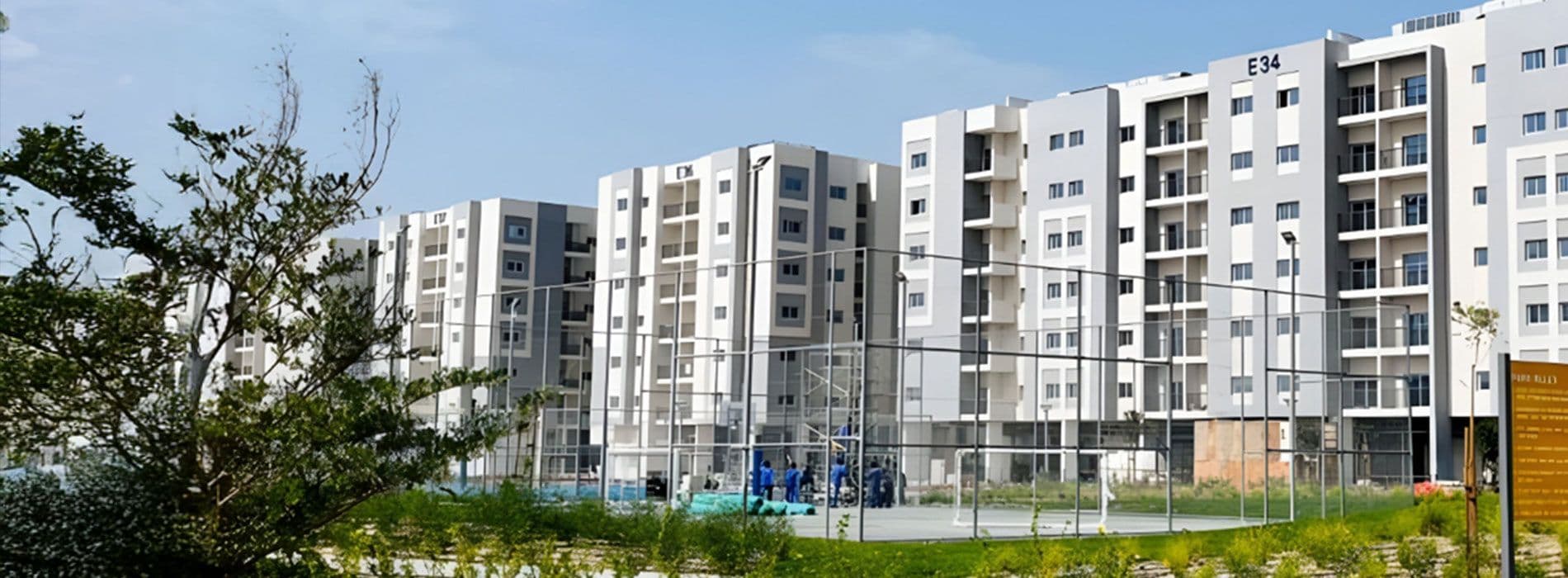
Al Qusais is among Dubai’s oldest and most established districts, located in East Dubai near Deira. The community is divided into Al Qusais 1, 2, and 3 residential areas, along with the Al Qusais Industrial Area, one of the largest industrial hubs in the emirate. It borders Al Nahda, Muhaisnah, Al Twar, and Hor Al Anz, and offers quick access to Dubai International Airport and the Dubai Airport Free Zone (DAFZA).
The neighbourhood is popular for its affordable apartments, a wide selection of schools, clinics, and supermarkets, and well-connected public transport. With five metro stations on the Green Line, residents enjoy an easy commute to Sharjah, Deira, and central Dubai. Parking is more accessible compared to other older parts of the city, thanks to wider streets.
Al Qusais continues to attract families, professionals, and business owners seeking budget-friendly living in a prime location.
Al Qusais Market Snapshot
Al Qusais enters the second half of 2026 with a rental market that is far larger than its resale market. Apartment buying opportunities remain concentrated in a small number of buildings, while rental stock covers a much broader part of the community.
Market Indicator | 2026 Snapshot |
|---|---|
Median apartment price | Around AED 550,000 based on current active apartment listings |
Average apartment rent | AED 55,646 per year across registered rental transactions |
Rental yield | Up to 7.28% for apartments |
Price trend, 12 months | The sale price per sq ft up 6.77% |
Sales trend | 81 apartment transactions over the previous 12 months |
Rental demand | Industrial Area demand up 20%; Residential Area demand down 11.65% |
Inventory | Around 5 apartments for sale versus more than 400 apartment rental listings |
Average days on market | No reliable community-wide 2026 figure is publicly reported |
Investor demand | Selective, with buying activity concentrated in a limited resale pool |
The active apartment listings currently run from AED 470,000 to AED 715,000 on one major portal, with five units available. Transaction data places the average apartment sale at AED 595,027, while the small number of listings means short-term averages can change quickly when new stock reaches the market.
Key Features of Al Qusais
- One of the oldest and culturally vibrant communities in Dubai.
- Divided into Al Qusais 1, 2, 3 and the Al Qusais Industrial Area.
- Conveniently located near Dubai International Airport and DAFZA.
- Five Dubai Metro Green Line stations are within the community.
- Affordable studios, 1, 2, and 3-bedroom apartments.
- Ample parking and wide roads compared to old Deira.
- Schools, parks, mosques, and healthcare centres are in close reach.
- Easy connectivity to Sharjah and other parts of Dubai.
Who Would Enjoy the Al Qusais Area?
- Families: Affordable 2–3 bedroom flats, schools and healthcare nearby.
- Professionals: Quick commute via metro and bus links.
- Small Business Owners: Close to warehouses, offices, and industrial facilities.
- Budget-Conscious Residents: Lower rents compared to new Dubai communities.
- Expats & Students: Variety of eateries, supermarkets, and metro access.
Al Qusais Residential Areas: Sub-Communities 1, 2, and 3
Al Qusais splits into three residential pockets, and they're not all the same. Al Qusais 1 is the busiest. It sits near the Al Qusais Metro Station, and the streets here have a genuinely lived-in feel, older apartment blocks, small grocery stores run by the same families for years, and a row of subcontinental restaurants where a proper lunch rarely costs more than AED 25. Not polished, but it works.
Al Qusais 2 is more spread out. Buildings are spaced out, there is more green space, and most schools are here. Families tend to gravitate toward it. Al Qusais 3 runs along the Al Nahda-Muhaisnah border and draws energy from both. If you head to Sharjah often, being on this side of the community saves time and offers more retail and foot traffic.
All three sub-communities are apartment-only. No villas. The building stock includes 1980s low-rises and mid-rise blocks, which have partially updated their lobbies and lifts but kept the same old layouts. That said, streets here are noticeably wider than what you'd deal with in old Deira, which makes parking a lot less stressful.
Al Qusais Industrial Area: Sectors 1 Through 5
The industrial area covers five sectors and is one of the larger light-industrial zones in Dubai. Sectors 1 to 3 are where most of the action is: warehousing, auto spare parts dealers, print shops, and food processing units. Sectors 4 and 5 push toward the Muhaisnah boundary and carry more logistics operators, storage facilities, and commercial workshops.
It's not a pleasant area to walk around, but it runs efficiently. DAFZA is less than 10 minutes away, which is important if you're importing or exporting. Lease rates here have traditionally been more reasonable than what you'd pay in Dubai Investment Park or Al Quoz, which is why many small operators set up here rather than further out. Workers from the industrial sectors mostly live in the surrounding residential areas, which explains the density of budget restaurants across Al Qusais 1 and 2.
Al Qusais Real Estate Market: Rental Trends and Legal Framework
Al Qusais has always been on the affordable side of Dubai's rental market, and that reputation has held up. Rents here haven't spiked the way they have in newer communities closer to Downtown or the Marina.
Residential Annual Rent Ranges In AED
- Studio: AED 35,000 – 42,000 per year
- 1-Bedroom Apartment: AED 48,000 – 55,000 per year
- 2-Bedroom Apartment: AED 62,000 – 72,000 per year
- 3-Bedroom Apartment: AED 82,000 – 95,000 per year
Commercial
- Offices: AED 45 to 75 per sq ft per year, depending on building age and location within the sub-communities
- Warehouses (Industrial Area): AED 25 to 45 per sq ft per year, with variation across sectors
Tenancy here follows standard Dubai rental law under RERA. All contracts go through Ejari, and rent increases are tied to the RERA Rental Index, so landlords can't just hike the rent because they feel like it. Most residential leases run for a year, with check payments. Some older buildings accept multiple checks, which helps. Industrial leases tend to go longer, usually 2 to 3 years.
Al Qusais is not a freehold zone. Buying property here is generally limited to UAE and GCC nationals. If you're looking at a specific unit, it's worth double-checking with a RERA-registered agent rather than assuming.
Detailed Features of Al Qusais
Hotels in Al Qusais
- Al Bustan Centre & Residence: 4-star serviced hotel-apartments with 640 units.
- Hampton by Hilton Dubai Airport: 3-star hotel offering modern facilities near the airport.
- TIME Grand Plaza Hotel: 4-star accommodation close to Dubai Airport Terminals.
Malls in Al Qusais
- Al Mulla Plaza: One of Dubai’s first shopping malls, still a popular landmark.
- Madina Mall: Located nearby in Muhaisnah with Carrefour, retail stores, and dining.
- Lulu Hypermarket: Large hypermarket with grocery, fashion, and household goods.
Beaches near Al Qusais
- Al Mamzar Beach Park: Closest beach offering cabanas, barbecue areas, pools, and Wi-Fi benches.
Things To Do in Al Qusais
- Al Qusais Pond Park: Jogging track, sports courts, and children’s play areas.
- Shabab Al Ahli Club & Rashid Stadium: Multi-sport and football activities.
- Al Ahli Horse Riding Club: Horse riding and pony training on Amman Street.
- Dining Options: Subcontinental restaurants, fast-food chains, and local cafes.
Accessibility & Transport in Al Qusais
Metro Stations in Al Qusais
- Al Qusais Metro Station.
- Etisalat Metro Station.
- Stadium Metro Station.
- Al Nahda Metro Station.
- DAFZA Metro Station.
Bus Stations in Al Qusais
- Extensive RTA bus routes cover Al Qusais and nearby Deira.
Key Landmarks in Al Qusais
- Dubai International Airport – 11 minutes.
- DAFZA – 10 minutes.
- Al Nahda Pond Park – 8 minutes.
- Sahara Centre, Sharjah – 12 minutes.
- Downtown Dubai – 21 minutes.
Education Near Al Qusais
Nurseries in Al Qusais
- Deira Montessori Nursery.
- World Nursery.
- British Orchard Nursery (Al Twar).
Primary & High Schools in Al Qusais
- The Westminster School.
- Apple International School.
- Woodlem Park School.
- The Millennium School.
- Dubai Scholars Private School.
Universities near Al Qusais
- Dubai International Academic City – 22 minutes.
- Dubai Knowledge Park – 30 minutes.
- Canadian University Dubai – 20 minutes.
Healthcare Facilities in Al Qusais
- Thumbay Hospital – full-service medical centre.
- Aster Clinics & Specialist Centres – several branches across the district.
- Zulekha Hospital – nearby healthcare provider.
- Grand Infinity Medical Centre.
- Dental Facilities: Sparkle Dental Care, Dentamax Clinic.
- Zooland Veterinary Clinic for pet healthcare.
Community Lifestyle: Dining, Shopping, and Wellness
The development fosters a vibrant community lifestyle with an array of dining, shopping, and wellness amenities within easy reach. Residents can enjoy a diverse selection of restaurants and cafés, alongside retail outlets catering to everyday needs and leisure. Dedicated wellness facilities, including fitness centers and recreational spaces, promote an active and balanced way of living. Together, these offerings create a self-sustaining environment that balances convenience with quality of life.
Restaurants and Cafes
The food scene in Al Qusais is mostly subcontinental, and it's genuinely good at what it does. Al Qusais 1 is the most concentrated. Mostly Indian, Pakistani, and Sri Lankan spots geared toward the working crowd. Meals here rarely go above AED 30. Mandi spots and Arabic grills are easy to find along the main roads, and a few have been around long enough to have regulars who've been coming for a decade.
Cafes are practical rather than aesthetic. A karak and a bun for AED 5 is the default, and nobody's pretending otherwise. If you want more variety, the food court at Madina Mall or the cluster of options near Lulu Hypermarket gives you a broader spread without having to go far.
Shopping and Supermarkets
Lulu Hypermarket is the main anchor for grocery shopping in Al Qusais, Dubai. Groceries, home goods, clothing, electronics, it covers most of what a household needs every week. Carrefour in Madina Mall is another popular stop, particularly for residents closer to Al Qusais 3 and the Al Nahda side.
Al Mulla Plaza is one of Dubai's older malls and still gets footfall, mostly for convenience. It's not somewhere people plan day trips to, but it serves its purpose.
For anything beyond the basics, fashion, furniture, or electronics, residents mostly head to Deira City Centre or Mirdif City Centre. Both are around 15 to 20 minutes away.
Living in Al Qusais: Pros and Cons
Pros
Metro access is the big one. Five Green Line stations in a single neighborhood are genuinely rare in Dubai. You can get to Deira, Bur Dubai, or Union Square without a car, and that makes a real difference if you don't drive or just don't want to deal with traffic.
Day-to-day life here is well covered. Schools, clinics, pharmacies, and supermarkets are spread across the community rather than clustered in one corner. Al Mamzar Beach is also closer than
People expect, roughly, 15 minutes, which is easy to forget when you're looking at the map.
Airport proximity is a legitimate selling point. If you fly regularly or work near DAFZA, being 10 to 12 minutes from DXB without highway stress is something you'll appreciate more as time goes by.
Parking is manageable. Not perfect, but compared to Karama or old Deira, it's noticeably less chaotic. Most buildings have some form of designated parking.
Cons
The buildings are old. A lot of the residential stock hasn't aged well, with slow lifts, cramped layouts, and maintenance that ranges from decent to nonexistent depending on the landlord. Some blocks have been upgraded, but the upgrades are inconsistent.
The industrial area bleeds into parts of Al Qusais 1 and 2. That means truck traffic on certain roads during the day, occasional noise, and the odd smell drifting over, depending on what's running nearby.
There's not much in the way of lifestyle infrastructure. The food scene is good if you like good-budget subcontinental or Arabic spots, but if you want proper brunch places, rooftop bars, or a decent gym that doesn’t resemble a basement, you'll be driving somewhere else. It's a functional neighborhood, not a lifestyle one.
Rush hour near the metro can get busy, especially around the Etisalat and Al Qusais stations. During morning and evening commute windows, the areas around Etisalat and Al Qusais stations become congested, both on the roads and at the station entrances.
Future Plans for Al Qusais
Al Qusais is expected to undergo further infrastructure improvements to enhance residential convenience while supporting its role as an industrial hub. Redevelopment of older apartments is underway to introduce modern amenities and energy-efficient systems.
Additional public transport upgrades are planned to handle growing demand, particularly around Etisalat and Al Nahda Metro stations. New community parks, improved pedestrian walkways, and healthcare expansions are expected in the residential areas. The industrial side is also projected to benefit from government initiatives to streamline trade and logistics. With consistent demand for affordable housing, Al Qusais will continue to be a practical option for families and professionals seeking a convenient yet cost-effective place to live.
Is Al Qusais a Good Investment?
Al Qusais can work for investors who value rental income and a relatively low apartment entry price over a large resale market. Tenants already have practical reasons to remain in the district, including airport employment, industrial jobs, Green Line access, schools, and shorter journeys toward Sharjah.
The main limitation is liquidity. Only a handful of apartments are currently advertised for sale, and most are concentrated in Al Qusais Industrial Area. That makes building-level research more important than relying on a district average. Investors should check service charges, maintenance history, current tenancy, parking, unit condition, and actual contracted rent before estimating net returns.
Property prices per square foot have risen, although the limited number of sales means the reported increase may be influenced by a small number of higher-priced transactions. Al Qusais is therefore better suited to buyers prepared to hold an income-producing unit rather than those depending on a quick resale.
Who Should Live Here
Al Qusais suits residents who want established infrastructure without paying for the lifestyle premium attached to newer parts of Dubai. The strongest fit usually comes down to work location, school travel, and access to the Green Line.
- Families looking for established schools, supermarkets, clinics, parks, and larger apartments
- Airport and DAFZA employees who want to shorten their daily commute
- Professionals working in Deira, Al Qusais, or nearby industrial districts
- Dubai-Sharjah commuters who need access to the northern side of the city
- Renters looking for older apartments with comparatively practical annual costs
- Business owners who want to live close to warehouses, workshops, offices, or logistics operations
Cost of Living in Al Qusais
Housing remains the largest recurring expense for most households, and Al Qusais still offers several entry points below Dubai’s city-wide apartment averages. Registered apartment rents in 2026 average AED 34,516 for a studio, AED 48,763 for a one-bedroom home, AED 62,002 for a two-bedroom unit, and AED 81,470 for a three-bedroom apartment.
A household close to a metro station may also spend less on daily car travel, particularly when work is in Deira or another Green Line district. Actual monthly costs still change significantly by household size because electricity, cooling arrangements, school transport, groceries, internet, parking, and private vehicle expenses are separate from the annual lease.
Older buildings deserve a closer cost check before signing. A lower headline rent can lose some of its advantage when parking is charged separately, cooling is excluded, or the apartment requires more frequent maintenance.
Renting in Al Qusais
The rental market is much deeper than the sales market, giving tenants considerably more choice across apartment sizes and building ages. Current inventory covers older low-rise properties, renovated units, family apartments, and buildings positioned near metro stations or major roads.
Apartment Type | Average 2026 Registered Rent |
|---|---|
Studio | AED 34,516 |
1 Bedroom | AED 48,763 |
2 Bedrooms | AED 62,002 |
3 Bedrooms | AED 81,470 |
These figures represent registered rental transactions rather than asking prices, which are often higher. Tenants should compare the proposed rent with the building’s age, parking arrangement, cooling charges, maintenance record, floor area, and walking distance to public transport before judging the value of a unit.
Rental conditions also vary within Al Qusais. The residential sections generally command higher asking rents than apartments inside the industrial area, while individual buildings can differ substantially even when they are only a few streets apart.
Why Businesses Choose Al Qusais
Al Qusais has a commercial advantage that residential-only districts cannot easily reproduce. Its industrial area gives companies access to warehouses, workshops, offices, storage units, vehicle services, trading businesses, and other operational facilities within the same part of Dubai.
Proximity to Dubai International Airport and DAFZA is particularly useful for companies linked to logistics, aviation, distribution, repair services, food operations, printing, and trading. Sharjah is also close, giving employers access to a wider workforce and customer base without relocating farther from central Deira.
Business occupiers also benefit from several property formats rather than a single office-led market. The industrial area includes leasehold premises alongside select freehold opportunities, although ownership rights need to be checked for the specific plot or property before purchase.
Investment Comparison Table
Al Qusais competes with several nearby districts for tenants who work around eastern Dubai, the airport, Deira, and the Sharjah border. Rent alone does not decide the stronger investment, since ownership availability, resale stock, building quality, and tenant profile vary considerably between these communities.
Community | Avg Rent | ROI | Family | Metro | Airport |
|---|---|---|---|---|---|
Al Qusais | AED 55,646 | Up to 7.28% | Strong | Excellent | Very close |
Al Nahda | AED 60,321 | Limited comparable sales data | Strong | Good | Very close |
Al Twar | AED 58,128 | Up to 9.64% | Very strong | Good | Very close |
Muhaisnah | AED 60,868 | Up to 4.52% for apartments | Strong | Limited | Close |
Deira | AED 50,492 | Up to 10.84% | Good | Excellent | Close |
The rental figures use registered apartment transactions rather than current asking rents, which keeps the comparison more consistent. ROI figures are published maximum gross returns and should not be treated as guaranteed net income after maintenance, service charges, vacancy, finance, and purchase costs.