Burj Al Salam Dubai
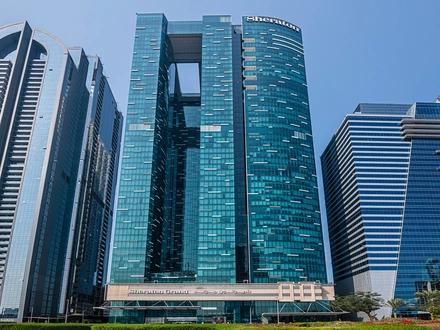
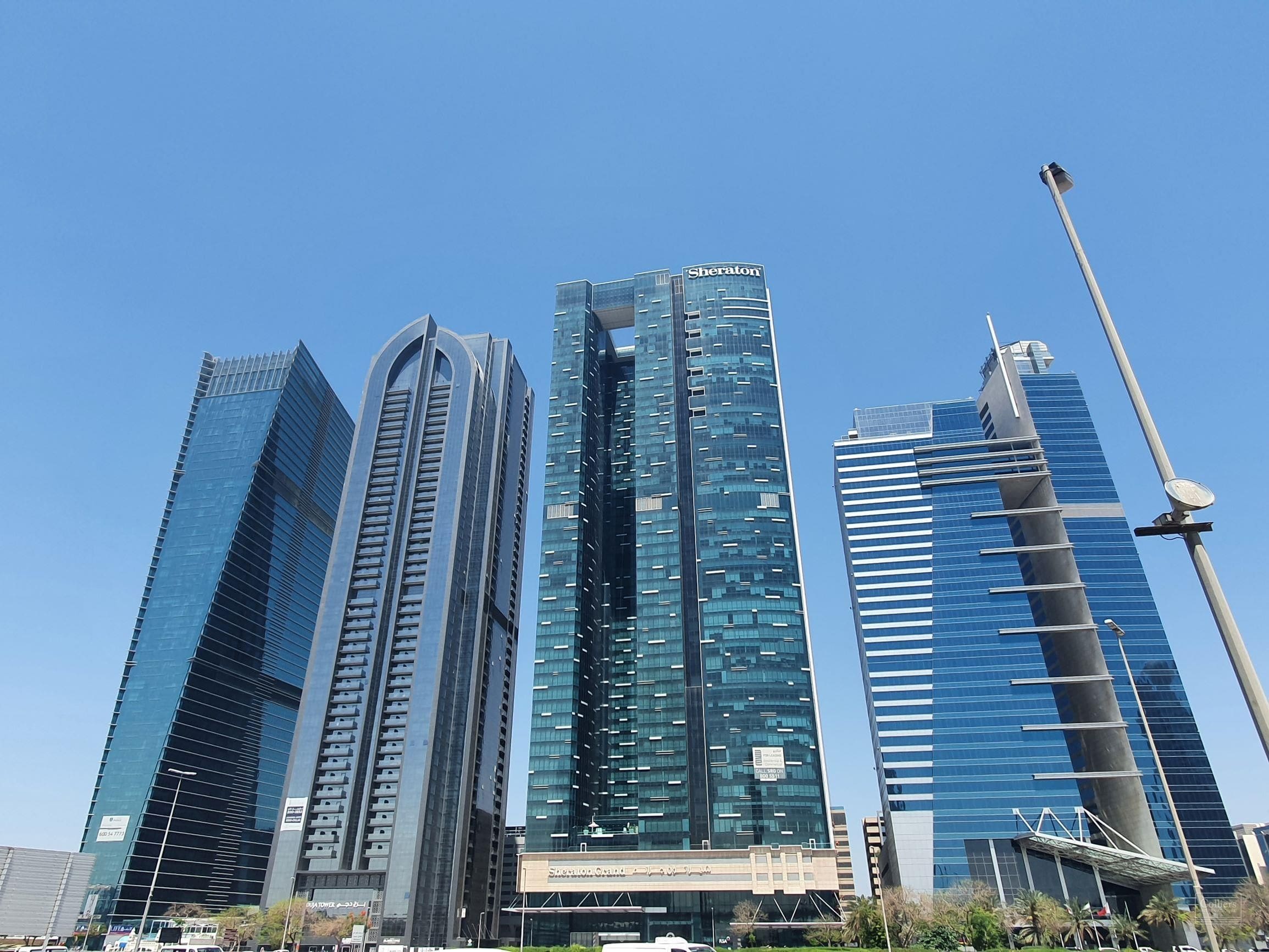
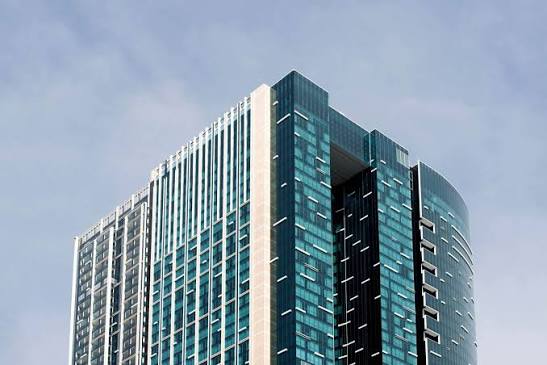
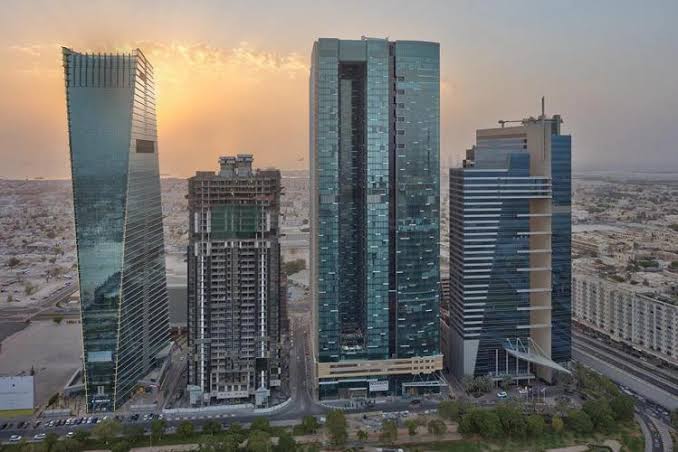
Burj Al Salam Dubai Amenities
Burj Al Salam Dubai Snapshot
Burj Al Salam Dubai Description
Burj Al Salam is a mixed-use freehold address on Sheikh Zayed Road, built for buyers who want more than a standard apartment or office space in Dubai. The tower brings homes, commercial units, hotel access, retail convenience, parking, and city connectivity into one high-visibility location close to DIFC, Downtown Dubai, the Dubai World Trade Center, and major business districts.
Burj Al Salam Dubai suits end users, investors, corporate tenants, consultants, and professionals who want a central base with daily convenience already around them. This listing covers the building profile, amenities, location, residential and commercial spaces, investment value, comparison points, and buyer checks before shortlisting a unit.
Burj Al Salam is a mixed-use tower on Sheikh Zayed Road, one of Dubai’s busiest and most recognized business corridors. The development brings residential units, office spaces, hotel facilities, retail access, and parking into one address, which gives it a wider buyer base than a single-purpose tower.
The building works well for people who want a central Dubai location without moving into a fully residential community. Residents get quick access to DIFC, Downtown Dubai, World Trade Center, City Walk, and Jumeirah. Office users benefit from the same road network, along with nearby hotels, restaurants, cafés, and business services.
A buyer should look closely at the unit type before shortlisting. Some listings may refer to apartments, while others may relate to offices, serviced units, or retail space. That difference affects price, service charges, rental return, parking rights, and resale demand. The tower’s mixed-use profile adds convenience, but the exact unit still decides the value.
Commercial buyers usually study visibility, visitor access, parking, lift movement, and fit-out condition. Residential buyers focus more on layout, view, noise level, natural light, and building maintenance. That is where Burj Al Salam needs a proper viewing, not only an online comparison.
The tower suits professionals, families, investors, consultants, and companies that want daily access to Dubai’s core business districts. Its location keeps demand active during office hours, hotel hours, and residential hours, which gives the address a strong urban character.
Location Burj Al Salam Dubai
Burj Al Salam is located on Sheikh Zayed Road, Dubai, close to DIFC, Emirates Towers, Dubai World Trade Center, Museum of the Future, Downtown Dubai, and City Walk. This location gives residents and office users direct access to Dubai’s main commercial, hospitality, and lifestyle districts.
The tower works well for people who move across central Dubai every day. A consultant can meet a client in DIFC, attend an event at the World Trade Center, and reach Downtown Dubai within a short drive. A resident can use the same location for work, shopping, dining, airport access, and school runs, depending on their daily route.
Nearby access points include:
- World Trade Center Metro Station: Approximately 3 to 5 minutes by car
- Emirates Towers Metro Station: Approximately 5 minutes by car
- DIFC: Approximately 5 to 7 minutes
- Dubai World Trade Center: Approximately 5 minutes
- Museum of the Future: Approximately 5 minutes
- Downtown Dubai: Approximately 8 to 12 minutes
- Dubai Mall: Approximately 10 to 15 minutes
- City Walk: Approximately 8 to 10 minutes
- Dubai International Airport: Approximately 15 to 20 minutes, depending on traffic
- Jumeirah Beach: Approximately 12 to 15 minutes
The location also helps rental demand. Many tenants choose Sheikh Zayed Road because it shortens travel between business districts and gives them easy access to taxis, metro stations, hotels, restaurants, and daily services. For investors, that wider tenant pool can support both residential and commercial leasing, provided the unit is priced correctly and maintained well.
About Burj Al Salam, Dubai
A buyer looking at this tower should start with one point. This is not a quiet backstreet residential building. It works more like a city address, with people coming in for offices, hotel stays, dining, meetings, and long-term living throughout the day.
Burj Al Salam Tower forms part of a larger mixed-use development on Sheikh Zayed Road, close to DIFC, Downtown Dubai, World Trade Center, and the Museum of the Future. That location gives it a different buyer profile from a standard apartment tower in a purely residential district. A resident may choose it for daily access. A business owner may look at it for visibility and client convenience. An investor may study it for tenant depth.
The building suits buyers who prefer completed property over off-plan uncertainty. There is another reason, too. Mature towers on main roads usually tell a clearer story through occupancy, building management, rental history, and tenant type. That makes due diligence easier, though not automatic. Service charges, parking allocation, fit-out condition, and view line still need a hard look.
Residential and Commercial Spaces at Burj Al Salam
Residential and commercial demand do not behave the same here, which is exactly why buyers need to separate the two before making a decision. Burj Al Salam apartments mainly suit professionals, couples, and small families who want central access without moving into a resort-style community. Burj Al Salam offices attract consultants, business centers, advisory firms, regional teams, and companies that want a recognizable address.
Current market listings show residential rents in a wide but useful band. One-bedroom examples appear around AED 85,000 to AED 90,000 per year. Two-bedroom examples range roughly from AED 115,000 to AED 150,000 per year, depending on size, view, floor, condition, and rent-free incentives. Commercial rents carry a much wider spread, with office listings ranging from AED 60,000 to more than AED 5.5 million per year. That gap usually reflects serviced office models, fitted layouts, size, parking, and view quality.
Residential buyers should check:
- Unit size against the actual usable area, not only the advertised area
- Whether the view faces Sheikh Zayed Road, the city, or another tower
- Chiller terms, because this changes the yearly cost
- Parking allocation and guest access
- Noise exposure, especially for units facing the main road
- Historical rent and current vacant possession status
Commercial buyers should review:
- Shell-and-core, fitted, or furnished condition
- Power load, cabling, and pantry layout
- Number of parking bays attached to the unit
- Service charge history and shared-area maintenance
- Licensing fit for the intended business activity
- Lift access for staff, visitors, and deliveries
Buyer Checks Before Shortlisting
Do not shortlist only because the tower name feels strong. The better move is to compare three things side by side: rent evidence, title details, and exit route.
A small office with a clean fit-out may rent faster than a larger unit with awkward partitions. A residential unit with a lower floor but a better layout may beat a higher-floor unit with wasted space. Dubai buyers know this. New buyers sometimes learn it late.
Ask for the title deed, service charge record, current tenancy contract, notice period, and recent maintenance details. For commercial spaces, also check whether the layout matches the buyer’s preferred use without heavy fit-out spending.
Why Invest in Burj Al Salam, Dubai?
The investment case starts with location, but it should not end there. Dubai’s real estate market recorded AED 252 billion in total transactions in Q1 2026 across 60,303 transactions. That level of activity keeps buyer liquidity alive, but it also makes careful selection more important because not every tower benefits equally.
Burj Al Salam fits investors who want a finished asset in a known commercial address, not a speculative off-plan bet. The tower draws interest from more than one renter type. A resident may want the short drive to DIFC. A company may want a Sheikh Zayed Road office that clients can find without directions. A business traveler may prefer the hotel and meeting access nearby. That wider demand base gives the property a better leasing story than many single-use buildings.
Dubai’s capital flow also supports this part of the city. In Q1 2026, Dubai recorded AED 87.71 billion in luxury real estate investment, while foreign investment value reached AED 148.35 billion. Those numbers do not turn every unit into a good buy. Price still matters, service charges still cut into returns, and a weak layout can hurt resale. What they do show is simple enough: buyers from outside the UAE continue to put serious money into central Dubai assets with access, visibility, and rental use.
A buyer should still avoid lazy assumptions. For rental returns, the exact unit matters. A well-kept apartment with chiller incentives and parking can rent faster. A dated office with poor partitions may need a discount. The tower gives the location advantage. The unit has to justify the price.
Benefits of Living and Working on Sheikh Zayed Road
This road has a business pulse that many Dubai communities cannot copy. It connects offices, hotels, malls, metro stations, government buildings, restaurants, and convention traffic across one corridor. That helps residents and companies in different ways.
Main benefits include:
- Shorter daily travel to DIFC, Downtown Dubai, Trade Center, and Business Bay
- Stronger address recall for clients, delivery teams, and visitors
- Better access to hotels for consultants, regional teams, and visiting executives
- Dining, retail, and service options within a short drive or walk
- Higher tenant interest from professionals who work in central Dubai
- Easier airport movement compared with many outer communities
Tourism also supports the wider location. Dubai welcomed 19.59 million international overnight visitors in 2025. That volume feeds hotels, serviced apartments, dining, meetings, exhibitions, and short corporate stays. A mixed-use tower near this activity can benefit from the city’s daily movement, not only from residential demand.
For an end user, the value feels different. A resident can finish work near DIFC, meet someone at Dubai Mall, return home by taxi, and still stay close to daily errands. A business owner can receive a client at the office, move them to a hotel lobby meeting, then reach the airport without a long cross-city drive. That is the real pull of this address.
Burj Al Salam vs Other Mixed-Use Developments in Dubai
Burj Al Salam compares well with other mixed-use developments because it gives buyers a central Sheikh Zayed Road address with residential, office, hotel, and retail activity in one place. The real difference comes from access, tenant demand, parking, unit condition, and how easily the space can serve daily use.
Comparison Point | How Burj Al Salam Reads For Buyers |
|---|---|
Address Strength | Strong Sheikh Zayed Road visibility, useful for residents and businesses that want a central Dubai base |
Asset Type | Mixed-use format with residential, office, hotel, and retail activity in one development |
Tenant Demand | Broader tenant pool than a single-use tower, especially from professionals and corporate users |
Daily Convenience | Better suited for people who value access over quiet suburban space |
Investment Style | More suitable for buyers who want a completed property with observable rental behavior |
Price Check | Buyers should compare the asking price with the unit condition, parking, tenancy, and service charges |
Exit Potential | Easier to position for resale when the unit has a clean layout, view, and documented income |
A comparison should never stop at tower names. Many mixed-use developments in Dubai look strong from the outside, yet the actual unit may carry issues that affect rent, resale, or user comfort. Burj Al Salam has the road, visibility, and mixed-use activity. The buyer still needs to buy the right unit inside it.
Who Should Invest in Burj Al Salam?
Burj Al Salam works best for buyers who know why they want this exact corridor. It may not suit someone looking for a quiet waterfront home or a villa-style community. It does suit buyers who want access, movement, and a central address.
Good-fit buyers include the following:
- End users working around DIFC, World Trade Center, Downtown Dubai, or Business Bay
- Investors seeking ready rental property in a central corridor
- Business owners who want office visibility and client access
- Landlords targeting professionals, consultants, and corporate tenants
- Global buyers comparing central Dubai with other business districts
- Families that prefer city convenience over suburban space
- Companies needing fitted or serviced office options near hotels and transport
Final Checks Before Making An Offer
- Compare the unit against recent listings, not only against the seller’s asking price.
- Check whether the unit is vacant, rented, or under notice.
- Review service charges and any upcoming building-related expenses.
- Ask for parking details in writing.
- Inspect the view, noise level, lift access, and natural light at the same time of day the unit will be used.
- For offices, confirm licensing, fit-out approval, and power requirements before committing.
- For rental investment, calculate returns after service charges, vacancy, agency fee, and maintenance.
This is where many buyers either protect their return or lose it. The building can be right, while the unit is wrong. A measured review avoids that mistake.
Speak With Driven Properties
Burj Al Salam is a strong option for buyers who want central Dubai access, mixed-use convenience, and a recognizable Sheikh Zayed Road address. The next step should be careful unit selection, not rushed shortlisting. At Driven Properties, we help buyers compare price, rent potential, title status, service charges, and long-term fit before making a move.